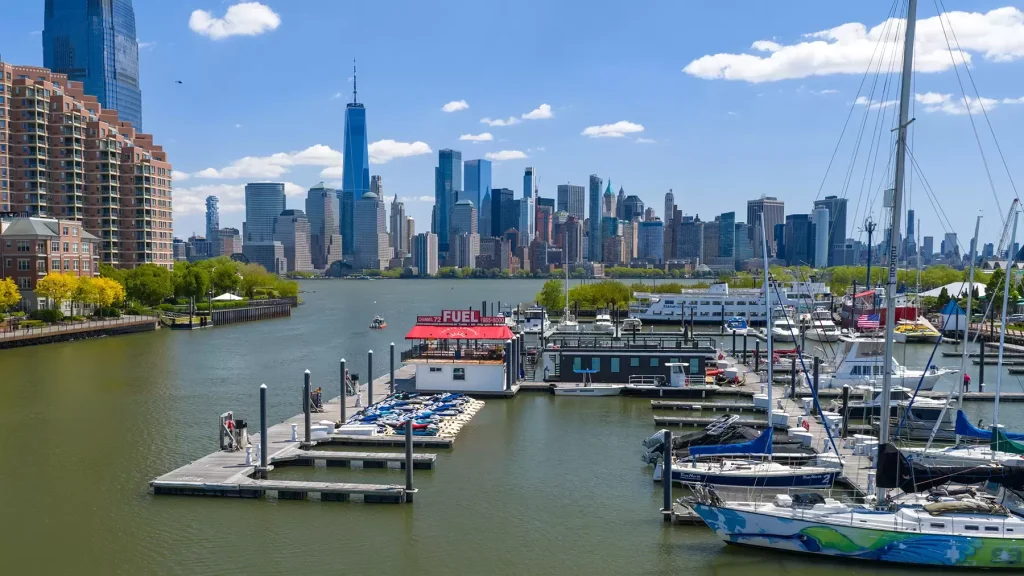
Most downtown Jersey City commutes start with the PATH train. Yet many residents travel north instead, toward Newport, Hoboken, or towns further up the Hudson waterfront. For anyone living at 333 Grand Street at Liberty Harbor, the Hudson-Bergen Light Rail offers a direct way to reach those places without a PATH transfer.
People searching this topic usually want practical answers. Which stations can they walk to? Where does the line go? Is it faster than other options for their specific route?
Without a clear plan, commuters often default to the most familiar train even when it is not the best fit. That habit can add transfers, crowded platforms, and extra minutes to every trip.
Why Planning Matters?
Choosing a commute by instinct usually means choosing by habit. A structured approach compares routes by destination, time, and reliability. That way, the light rail becomes one tool among several rather than an afterthought.
- Start with your most frequent destination.
- Map the walk to the nearest light rail station.
- Compare total trip time, not just ride time.
- Check service frequency at your usual hours.
- Keep a backup route for delays.
Know Your Stations
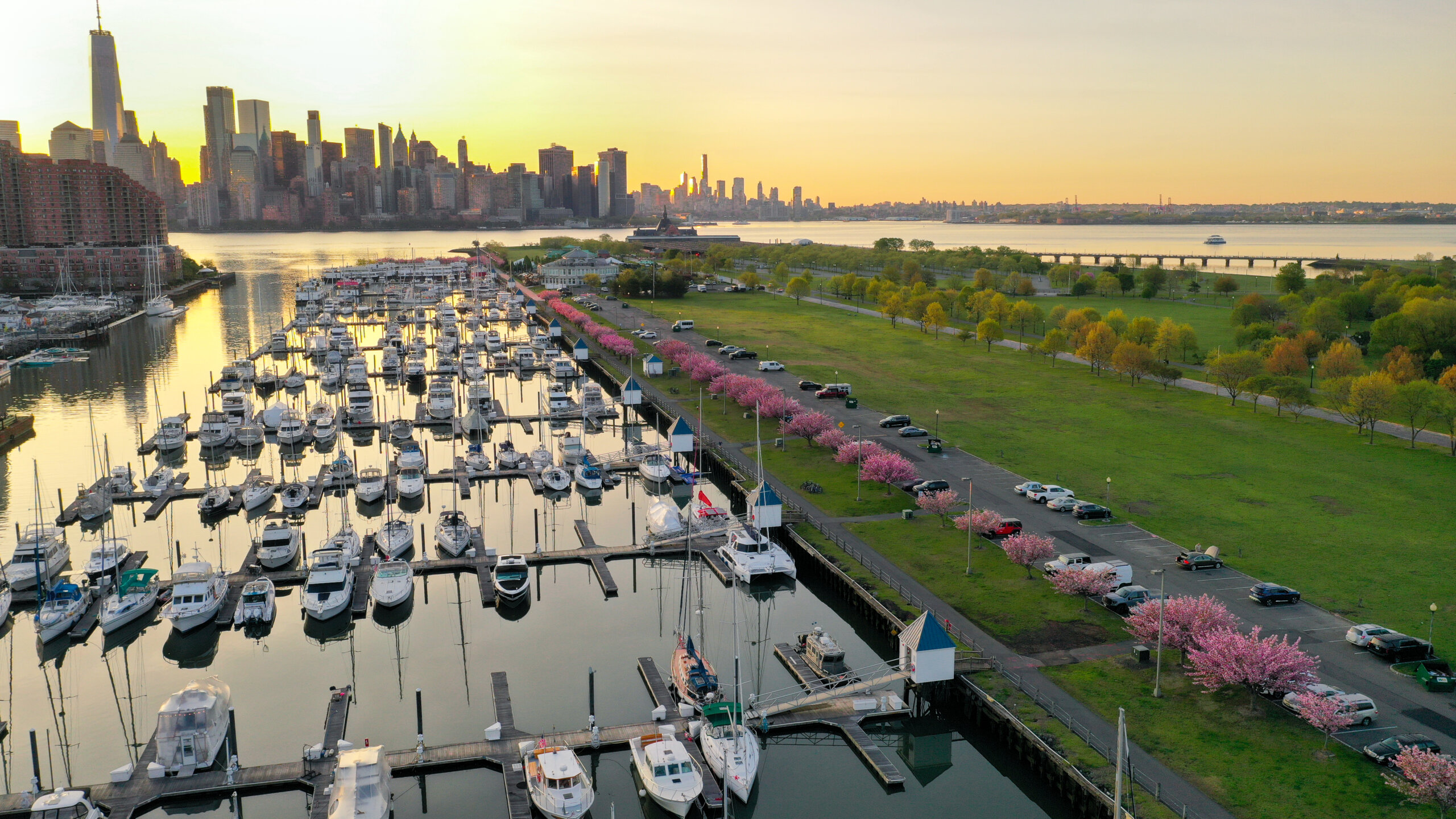
From Grand Street, the light rail corridor runs parallel to the waterfront. Stations such as Harborside and Exchange Place are reachable on foot, giving residents more than one boarding point.
In practice, the closest station depends on your exact starting point and where you are headed. The limitation is that walking times vary with weather and traffic lights, so test the route at your usual hour before relying on it.
Head North Without PATH
Northbound trains connect downtown to Newport, Hoboken Terminal, and stops further north. For jobs or errands in those areas, the light rail avoids the need to ride PATH and change trains.
Hoboken Terminal also links to NJ Transit rail and bus services, which widens your options. Still, connections there involve some walking, so build a few extra minutes into your plan.
Add a Bike When Useful
Citi Bike docks cover Grand Street and nearby blocks. Riding to a station can shorten the first part of your trip on busy mornings.
Bikes work well in mild weather. However, dock availability changes during peak hours, so an empty dock can slow you down.
Your Action Plan
- List your three most common destinations.
- Mark which ones sit north along the waterfront.
- Walk to each nearby light rail station once and time it.
- Check NJ Transit schedules for your usual travel hours.
- Buy and validate your ticket before boarding.
- Try the full trip on a weekday morning.
- Note any delays or crowding you experience.
- Pick a backup route for disrupted days.
Reality Check
Many residents struggle because they plan around a single route. When service changes or delays happen, they have no alternative ready.
Another common mistake is comparing only ride times. Total trip time includes walking, waiting, and transfers. Schedules can also change with service updates or construction, so information from last year may not match today. Residents of 333 Grand Street at Liberty Harbor benefit from checking current schedules before changing their routine.
Building Better Habits
A reliable commute develops through small tests. Try a new route for a full week before judging it.
Keep simple notes on trip times and delays. Review them monthly. Over time, you will see which routes hold up under real conditions and which ones only look good on a map.
Frequently Asked Questions
- Which light rail stations are walkable from Grand Street?Harborside and Exchange Place are both reachable on foot.
- Does the light rail connect to PATH?Yes, at stations such as Exchange Place and Newport, though many northbound trips skip PATH entirely.
- Is the light rail faster than PATH?It depends on your destination. Northbound New Jersey trips often favour light rail.
- Do I need a ticket before boarding? Buy and validate it before boarding to avoid fines.
- What should I do during delays?Switch to your backup route, such as PATH, ferry, or bike share.
A good commute is rarely perfect on the first try. What makes it work is steady testing, honest notes, and a backup plan ready for difficult days. Keep checking schedules, compare real trip times, and adjust when needed. Consistent small choices will make your daily travel smoother than any single shortcut.